

Formerly Incarcerated Leaders Acquire and Repurpose Prison for New Reentry Model
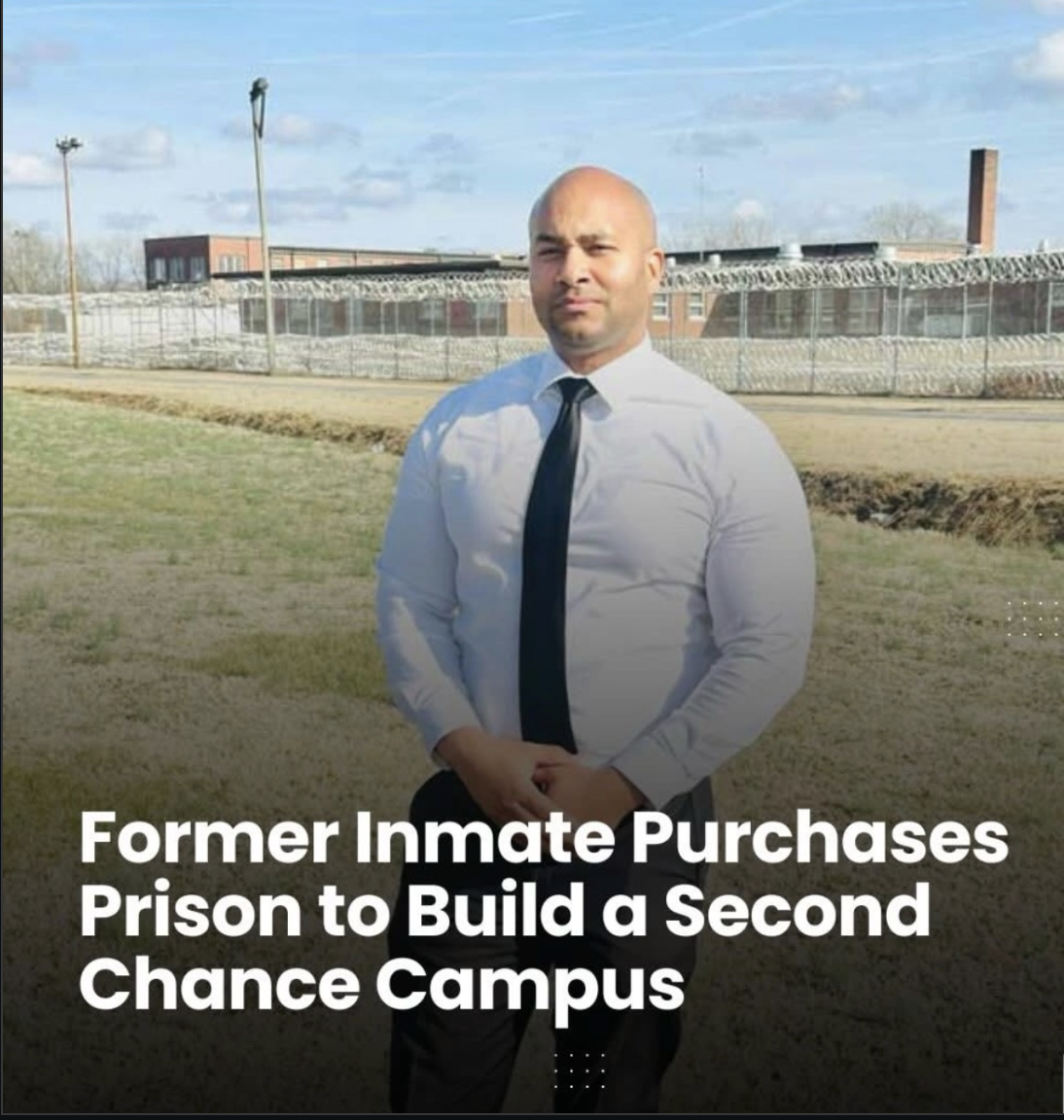
Kerwin Pittman
A former prison becomes a national prototype for housing, workforce, and mental health—designed to be replicated across the country.
This is not about reentry as we’ve known it. This is about reimagining justice in America and building infrastructure that supports real second chances”
GOLDSBORO, NC, UNITED STATES, March 30, 2026 /EINPresswire.com/ -- A former correctional facility in Wayne County is being redeveloped into a reentry and workforce campus, in an effort led by two formerly incarcerated leaders seeking to establish a new model for post-incarceration support.— Louis L. Reed
Kerwin Pittman, a social justice advocate who recently acquired the former Wayne County Correctional Center, is working alongside Louis L. Reed, a nationally recognized criminal justice reform strategist, to transform the site into a comprehensive campus focused on housing, workforce development, and mental health services.
The initiative is intended to serve as a prototype for a broader approach to reentry, combining multiple support systems within a single location. Project leaders indicate the model is being designed with the potential for replication in other jurisdictions with similar decommissioned facilities.
The campus is expected to include transitional housing, extended-stay options, workforce training programs tied to employment opportunities, and access to clinical and mental health services. Existing infrastructure at the site—including dormitory-style housing, medical space, and vocational areas—is being repurposed as part of the redevelopment.
According to those involved, the project reflects a shift from traditional reentry approaches, which have often focused on connecting individuals to services after release, toward a more integrated model that emphasizes stability, employment, and long-term outcomes.
Reed said the effort represents an opportunity to rethink how reentry systems are structured.
“This isn't about just the purchase of a prison. We’re redesigning what happens after prison and building a model the country can adopt,” said Reed.
The initiative is being developed in phases, allowing for adjustments as programming is implemented and evaluated. Leaders also noted that the model incorporates a mix of philanthropic support, public funding aligned with workforce and reentry priorities, private sector partnerships, and potential earned revenue opportunities.
Interest in the project has emerged across multiple sectors, including nonprofit, public, and private stakeholders, as conversations continue around long-term funding and partnerships.
Pittman said the goal is to create a model that extends beyond a single location.
“This is an opportunity to take an existing structure and rethink how it can serve people returning home,” Pittman said. “The intention is to build something that can be applied more broadly.”
In addition to redevelopment efforts, the project team is documenting the transformation process through media and film, with the aim of providing broader visibility into the model and its potential impact.
Mya Jordan
Mobilize 365
email us here
Visit us on social media:
Facebook
Legal Disclaimer:
EIN Presswire provides this news content "as is" without warranty of any kind. We do not accept any responsibility or liability for the accuracy, content, images, videos, licenses, completeness, legality, or reliability of the information contained in this article. If you have any complaints or copyright issues related to this article, kindly contact the author above.
